Shriya Singh
Human–AI interaction · Product · Operations

Make complex
systems feel
human.

I’m Shriya, an HCI researcher and product practitioner working across the places where people, AI, and real-world systems meet.

Berlin / WeimarResearching & building
Abstract overlapping blue and black forms threaded with fine lime signal linesSignals in conversation / 01

One practice,
several lenses.

I move between observing how people make sense of technology, shaping products around what they need, and building the operational systems that help teams use AI responsibly. The through-line is the same: make the work legible, test assumptions with people, and carry what we learn into the next decision.

Featured / Workshops, teaching & public work

Make ideas
things people try.

I bring people into the making process, whether that means turning a comic into an augmented experience, teaching visual composition, or opening a conversation about research.

Workshop · AR · facilitation
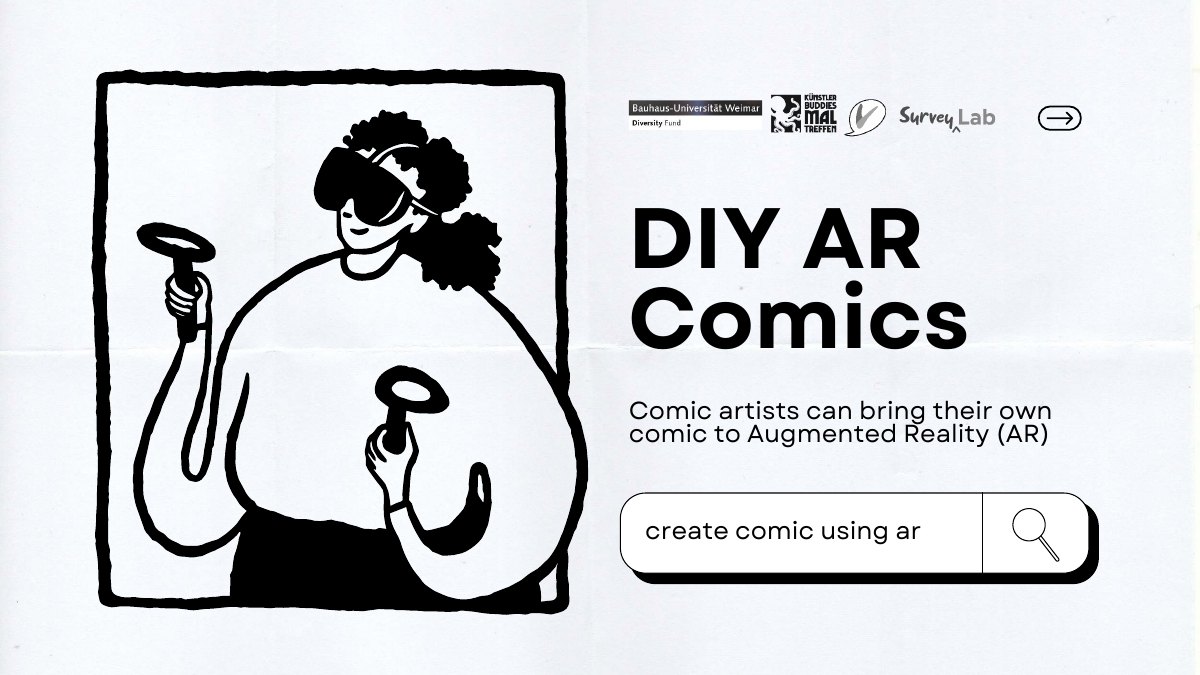
Opening slide of the AR Comic Workshop, showing a hand-drawn character and the workshop title

AR Comic Workshop

We began with a comic on paper. Participants with different levels of drawing experience created a comic, digitized it, uploaded it to Styly, and added effects, sound, and other modalities. Some brought a tablet, stylus, or laptop; no drawing experience was needed.

My role: I led the workshops and classes, co-organized them, created promotional material, and shared it through social media.

Download workshop slides ↗
Erlangen International Comic Salon · 2026
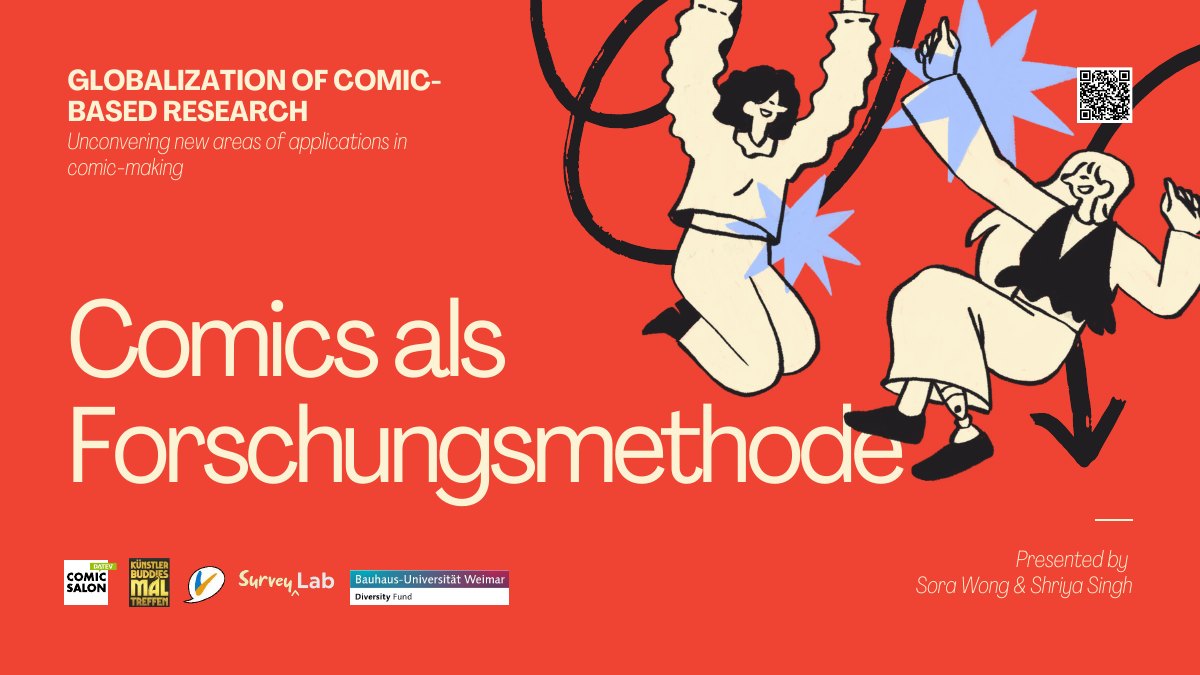
Opening slide for Comics as a Research Method, presented by Sora Wong and Shriya Singh

Comics as a Research Method

With Sora Wong, I organized and co-presented a discussion on comic-based research. We explored how comics can support research practice, shared student examples, and discussed the possibilities and limits of the method.

Format: Public discussion with Shriya Singh and Sora Wong, Bauhaus-Universität Weimar.

Download session slides ↗
View the official schedule ↗
Bauhaus.Module · Summer semester 2025
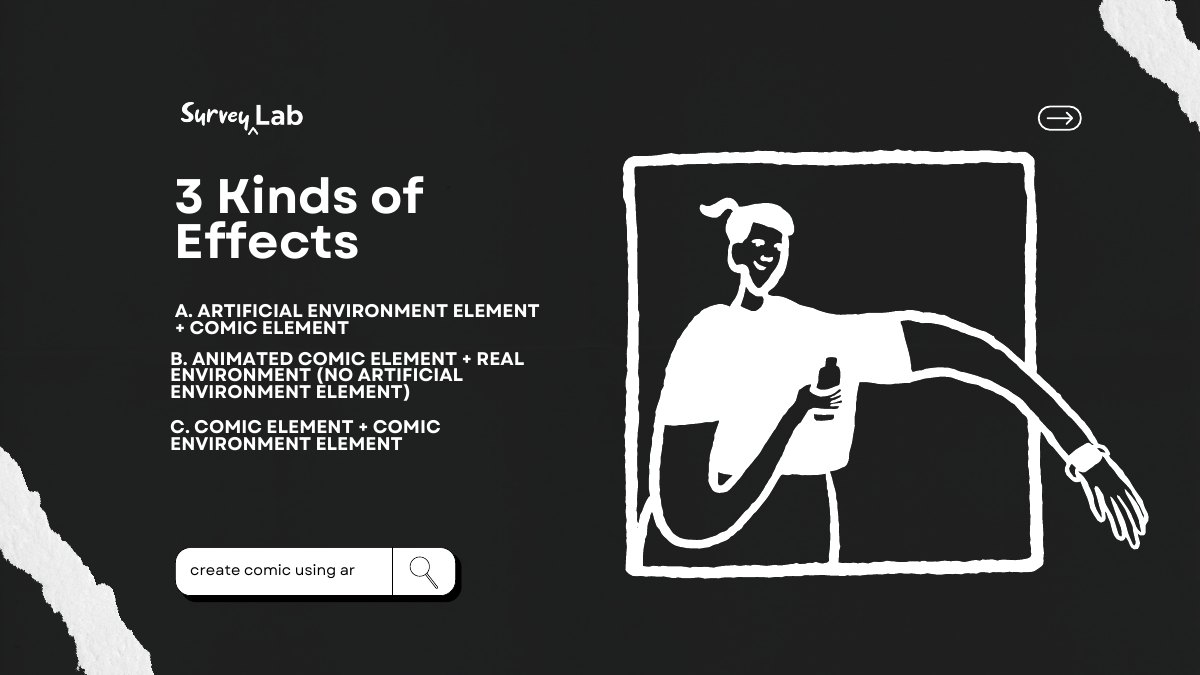
Teaching slide showing three ways to augment comics through environments and animated elements

Mastering Composition Through Comics

I co-taught this module with Yuen Yi Wong and Hüseyn Hüseynbayli. I introduced three ways to augment comic-reading experiences, helping students bring digital and physical projects toward a public showcase at summaery, Bauhaus-Universität Weimar’s annual presentation of student work.

  • Place artificial environments around comic elements
  • Animate comic elements within real surroundings
  • Extend physical comic panels with digital comic elements

My role: Student teacher, workshop facilitator, and author of reflections on the teaching experience.

Read about the module ↗

01 / Selected work

Questions made
into practice.

Different settings, connected by a habit of turning ambiguity into something a team can inspect, test, and improve.

01 / RESEARCH / IN PROGRESS

Can a conversation
be mistaken for you?

A two-phase study of suspicion, trust, and identity detection in conversational AI, using user-trained clones as a way to investigate human–agent interaction.

Human–AI interactionStudy designTrust & identity
Explore the study
02 / PRODUCT / PASSIFY

Making port release
workflows clearer.

Product work across a German Ports release-order flow and related operational features, from training and slot changes to dashboards and incident handling.

Product managementLogisticsB2B
View contribution areas
03 / AI OPERATIONS / VOIZE

From scattered knowledge
to governed AI use.

Building the foundations for useful, reviewable AI support: knowledge audits, modular content, team enablement, and a clear path for skills to be reviewed before sharing.

AI operationsKnowledge systemsGovernance
View contribution areas
04 / COMMUNITY / COMIC SURVEY LAB

What if a survey
read like a story?

Exploring “comicification”: redesigning surveys as sequential visual narratives, then bringing the format into workshops and public-facing research experiences.

Research through designVisual methodsCo-creation
See the project
02 / Ongoing research

Cloned Testing

A thesis project on suspicion, trust, and identity in conversations with people and AI agents.

M.Sc. Human–Computer Interaction · Bauhaus-Universität Weimar

When a familiar voice
isn’t the person.

Cloned Testing is a hybrid method for evaluating human–agent interaction using knowledge-garden-based user clones. The study asks how people decide who, or what, they are talking to, how suspicion changes as a conversation unfolds, and what signals shape that judgment.

The work is structured as two linked activities: people first train a conversational clone through persona role-play, then evaluate conversations with a human operator, a baseline AI, and a clone trained from their material. A mid-session switch makes identity judgments part of the interaction rather than a question asked only at the end.

Evaluation combines final identity guesses and confidence with time to decision, suspicion changes, switch detection, conversation traces, accuracy, and repair behavior. The aim is a method that makes those judgments observable and useful to designers of conversational systems.

Think-aloudIdentity detectionConversation analysis
03 / In the field

Work that meets
the everyday.

Product and operations are where a good idea has to survive actual constraints, handoffs, and human habits.

Product · Passify

Operational product work

Contributed to product initiatives for German port logistics, working across workflows used by companies and operational teams.

  • German Ports release-order workflow
  • Training module and slot split / merge
  • Dashboards and incident management
  • VAT campaign supporting 220–250 companies
AI support · voize

AI people can work with

Helped structure how internal knowledge and AI support fit together, with attention to quality and clear ownership.

  • Intercom retention KPI work
  • Notion knowledge-base audit and modular structure
  • Claude enablement for teams
  • Department review before AI skills are shared
Research through design · CSL

Surveys as visual stories

Co-founded Comic Survey Lab with Konstantina Marra to explore how sequential visuals can change the experience of answering research questions.

  • Four workshops and a 2024 pilot
  • Two 12-scene story decks and nine technique cards
  • Installation at the New European Bauhaus Festival
  • Mensch und Computer 2025 poster
05 / Experience & formation

Across teams
and disciplines.

Computer science gave me a systems foundation; HCI gave me methods for understanding the people inside those systems.

voize GmbH

AI Support & Knowledge Manager

AI support, knowledge systems, and internal enablement in a health-tech startup.

Passify GmbH

Werkstudent, Product Management

Product work for port-logistics workflows and operational tools, including release orders, training, slot handling, dashboards, and incident management.

NetBluez

Product & design experience

Selected work and project details to be added.

Bauhaus-Universität Weimar

M.Sc. Human–Computer Interaction

Research methods, ubiquitous computing, usability engineering, physiological computing, visualization, and comics in East Asia.

Rajasthan Technical University

B.Tech, Computer Science & Engineering

Foundation in software engineering, databases, algorithms, AI/ML, graphics, and digital image processing.

06 / How I work

Make the invisible
discussable.

Start with a real question

Turn a broad concern into a decision, behavior, or experience that can be observed.

Make the system legible

Map the people, information, and handoffs so everyone can see where friction lives.

Close the learning loop

Carry what research reveals into product choices, team processes, and the next test.

Across teams
and disciplines.

Computer science gave me a systems foundation; HCI gave me methods for understanding the people inside those systems.

voize GmbH

AI Support & Knowledge Manager

AI support, knowledge systems, and internal enablement in a health-tech startup.

Passify GmbH

Werkstudent, Product Management

Product work for port-logistics workflows and operational tools, including release orders, training, slot handling, dashboards, and incident management.

NetBluez

Product & design experience

Selected work and project details to be added.

Bauhaus-Universität Weimar

M.Sc. Human–Computer Interaction

Research methods, ubiquitous computing, usability engineering, physiological computing, visualization, and comics in East Asia.

Rajasthan Technical University

B.Tech, Computer Science & Engineering

Foundation in software engineering, databases, algorithms, AI/ML, graphics, and digital image processing.

05 / How I work

Make the invisible
discussable.

Start with a real question

Turn a broad concern into a decision, behavior, or experience that can be observed.

Make the system legible

Map the people, information, and handoffs so everyone can see where friction lives.

Close the learning loop

Carry what research reveals into product choices, team processes, and the next test.