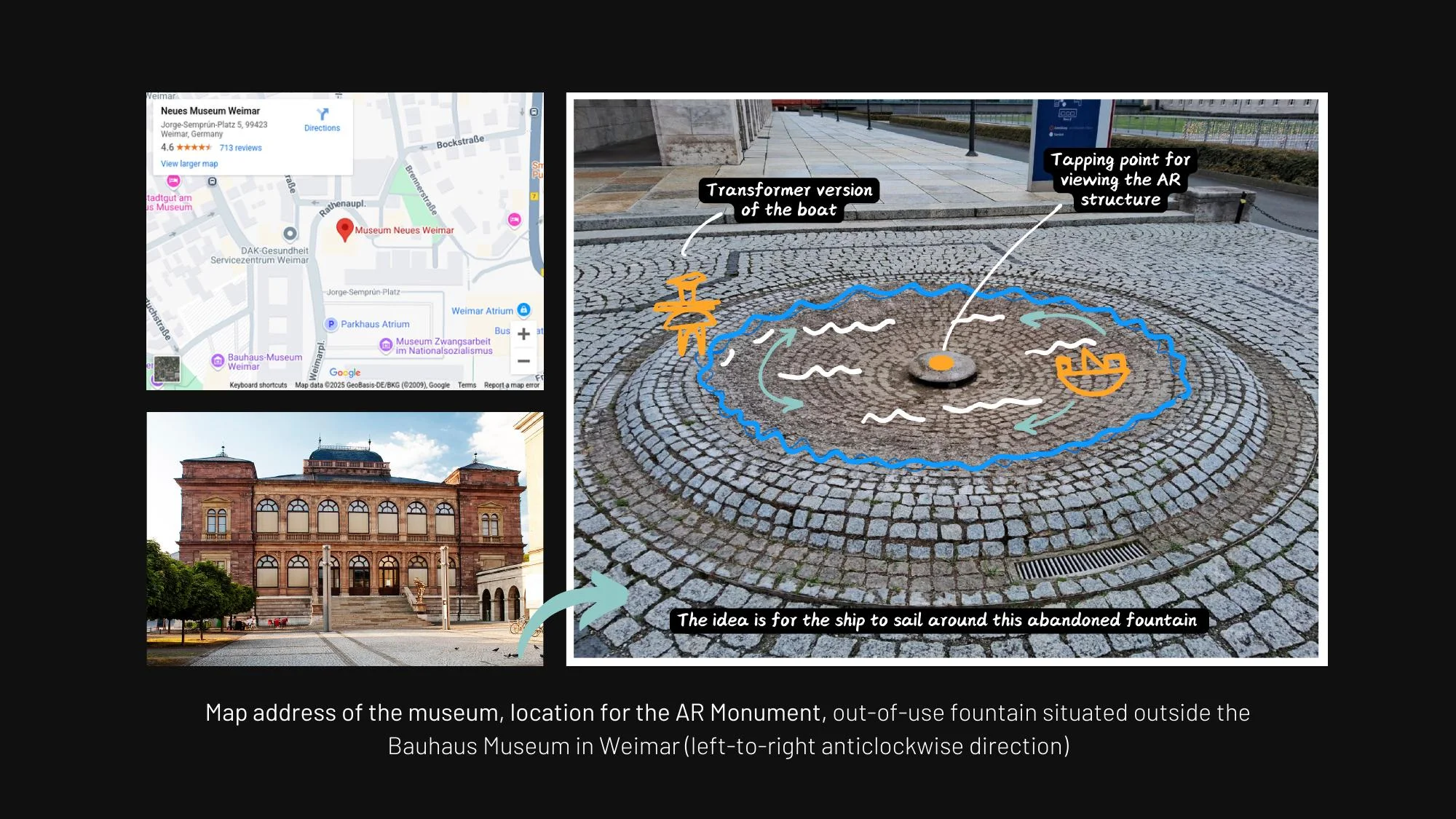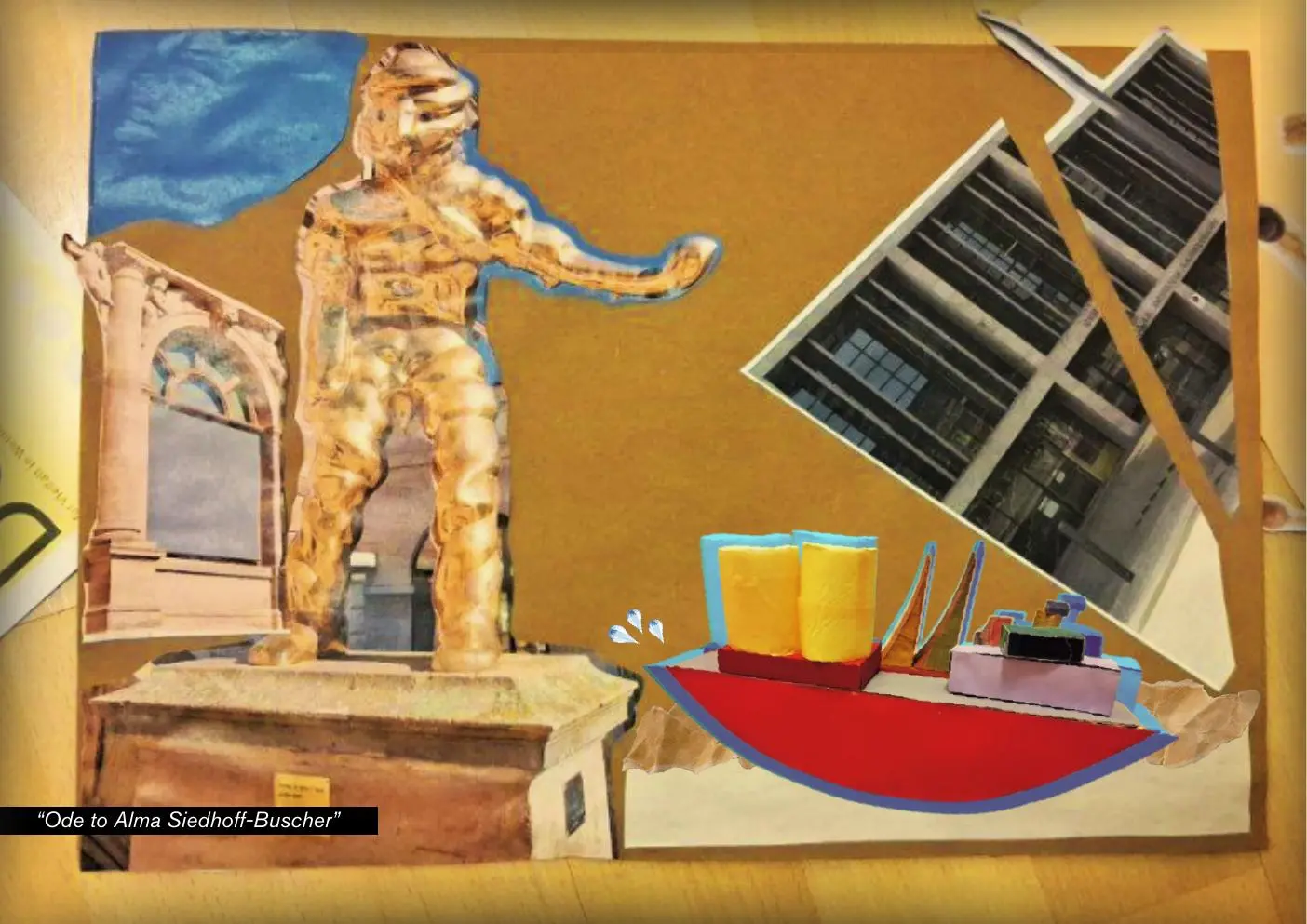
A monument for someone missing from the square
Before it became a monument, it began with a designer who made room for play.
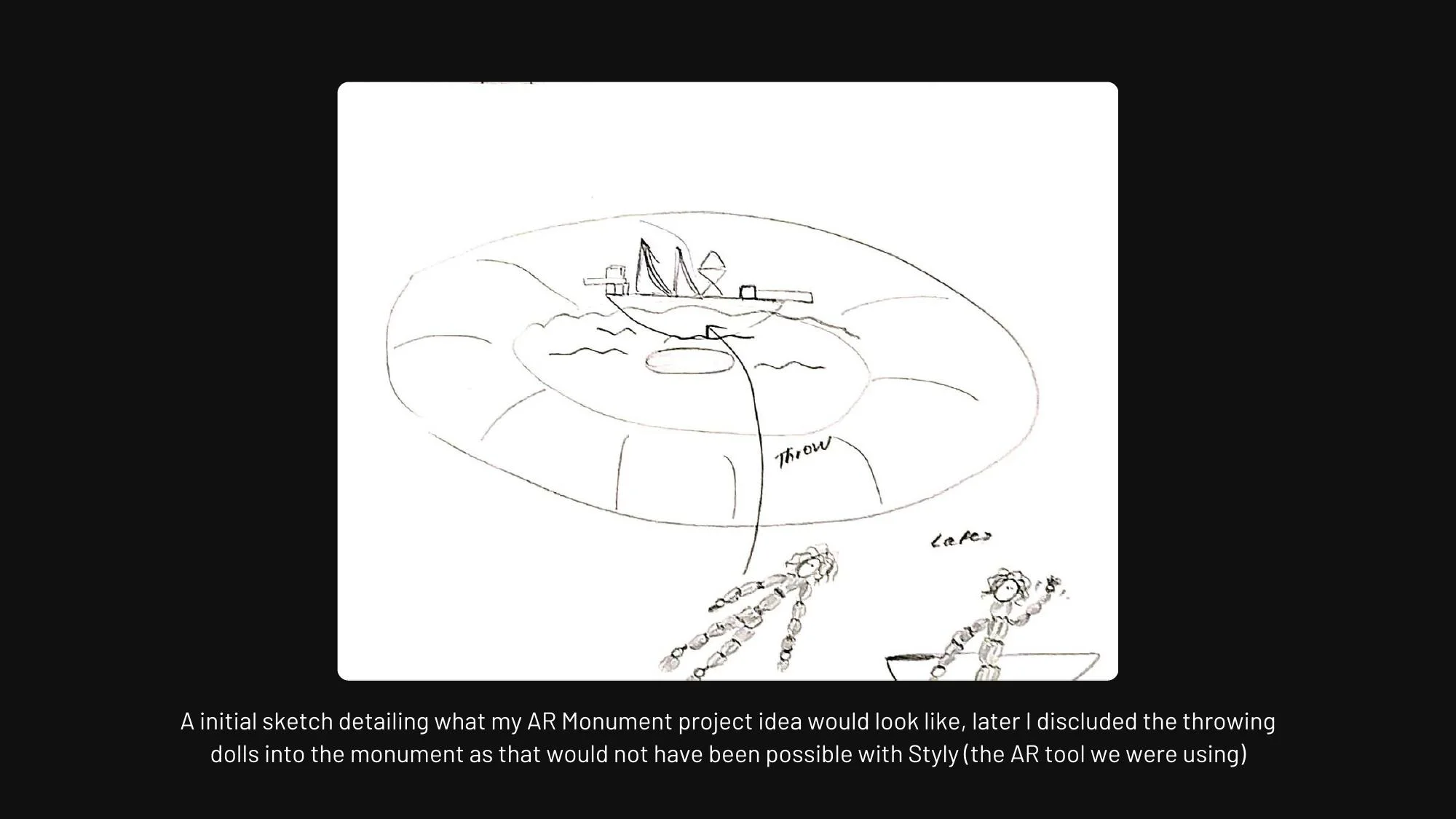
The Reality Augmented brief asked us to select a German historical figure and build a new kind of monument from their work. I chose Alma Siedhoff-Buscher because her designs did not prescribe one finished result: they gave children parts, space and permission to invent.
Who was Alma?
A Bauhaus designer who treated children as active makers.
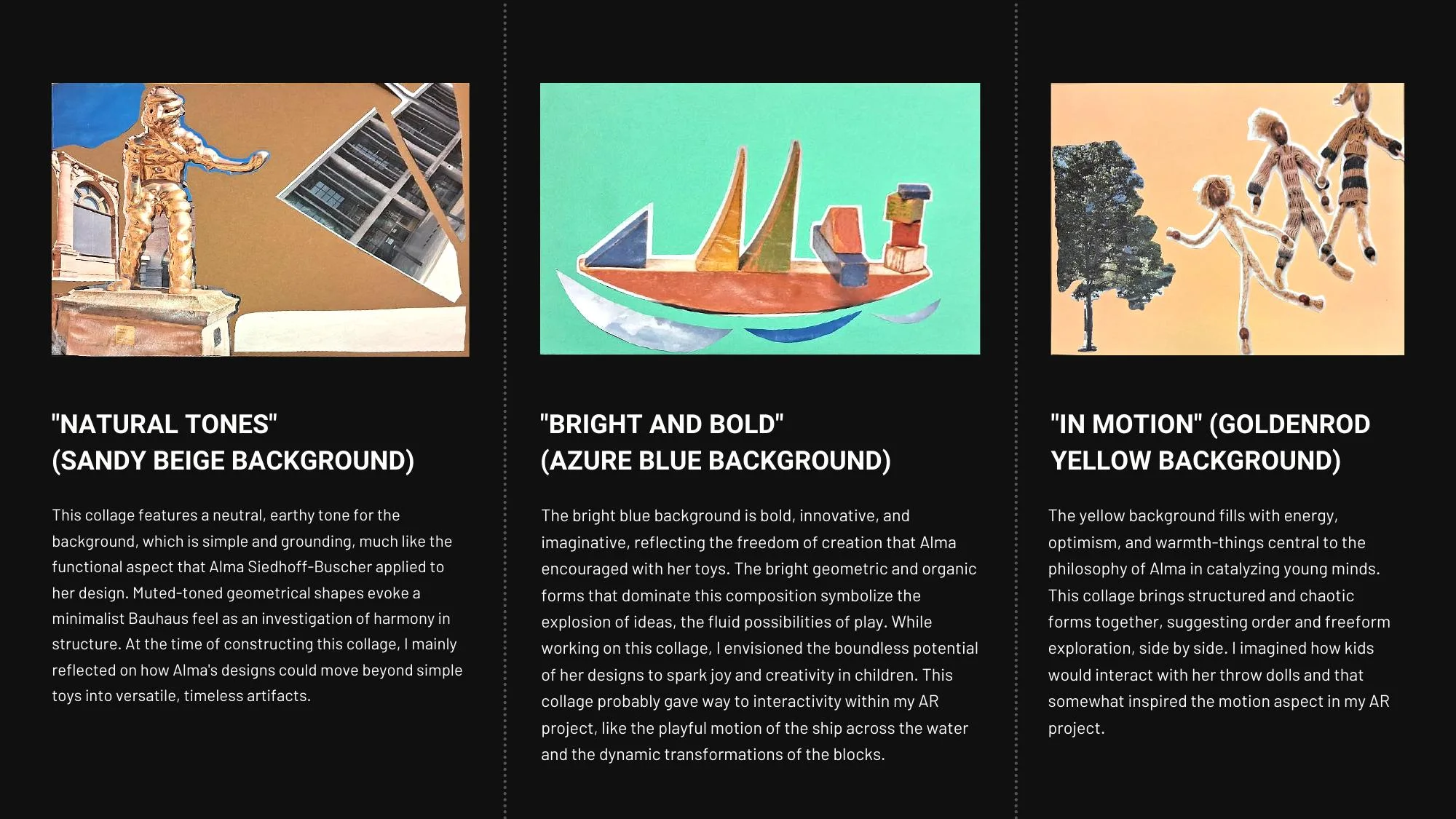
Alma Siedhoff-Buscher was a German designer associated with the Bauhaus in Weimar and Dessau. Her work included children's furniture, picture books, craft sheets, puppets and modular toys. She became known through the children's room at Haus am Horn in 1923 and through the colourful Shipbuilding Game developed that same year.
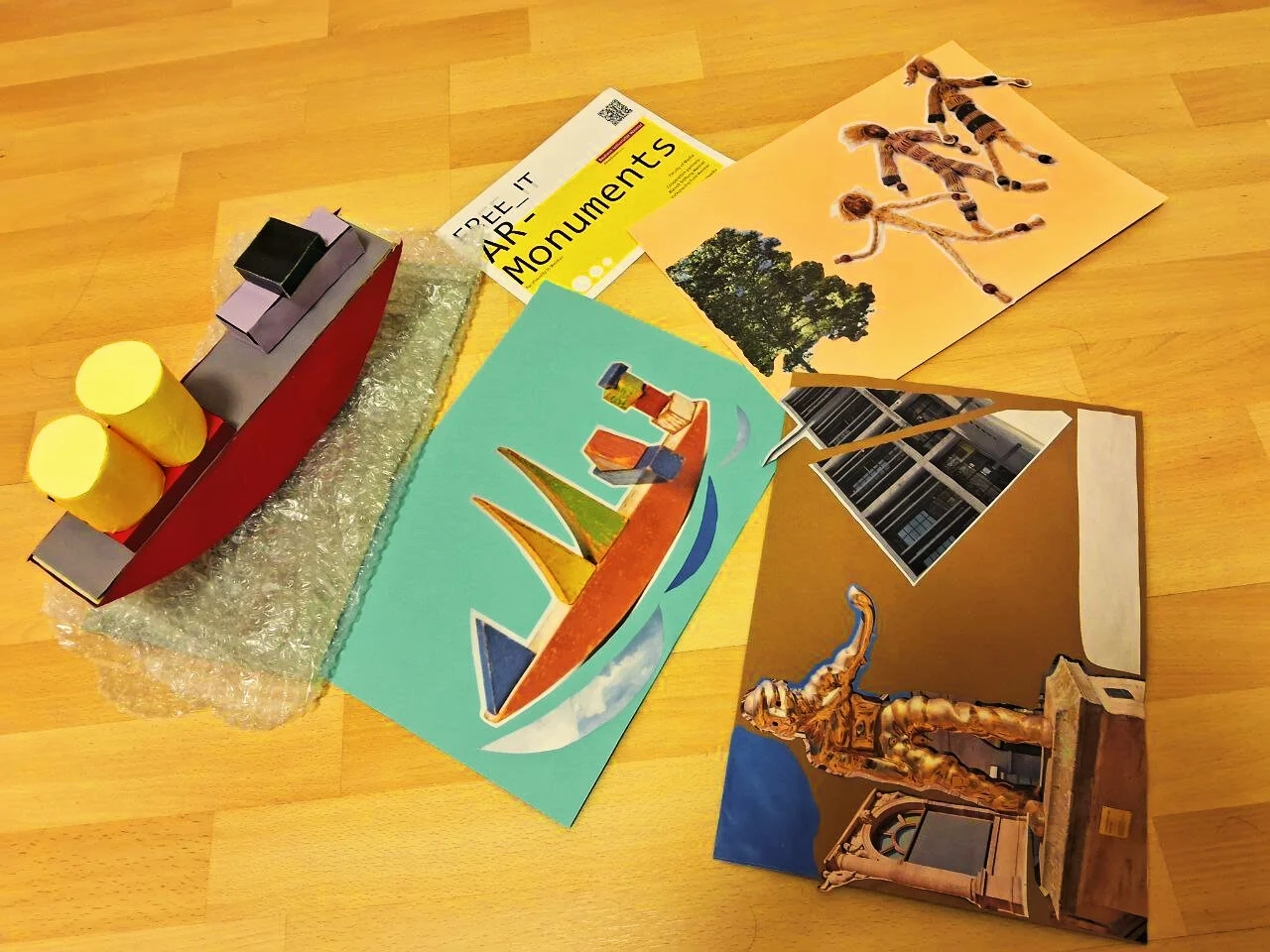
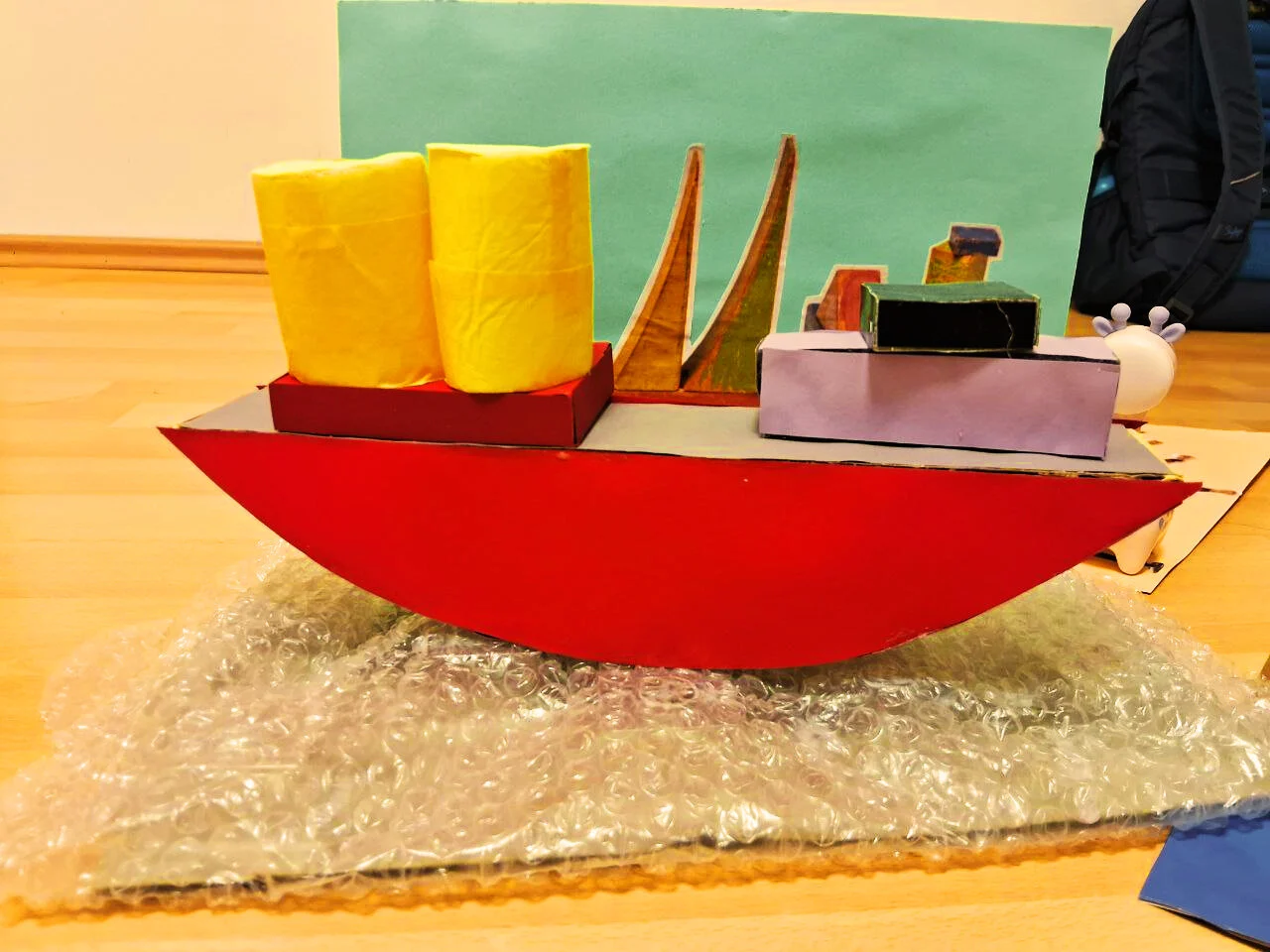
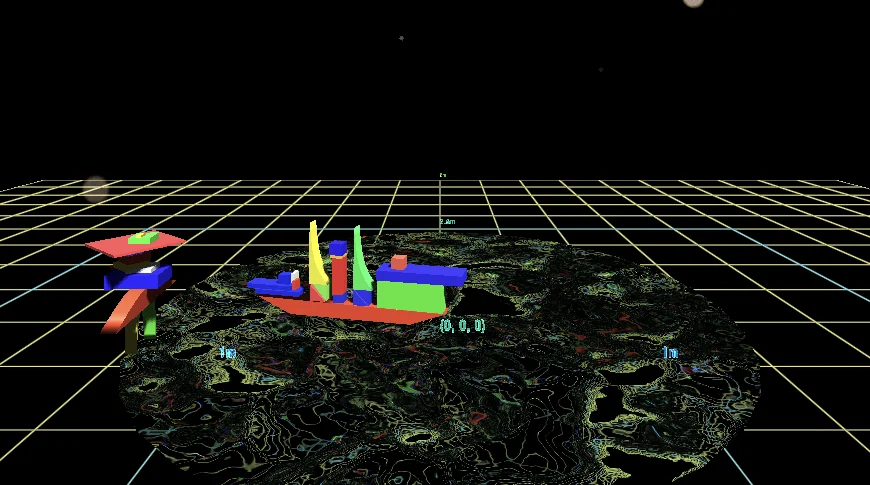
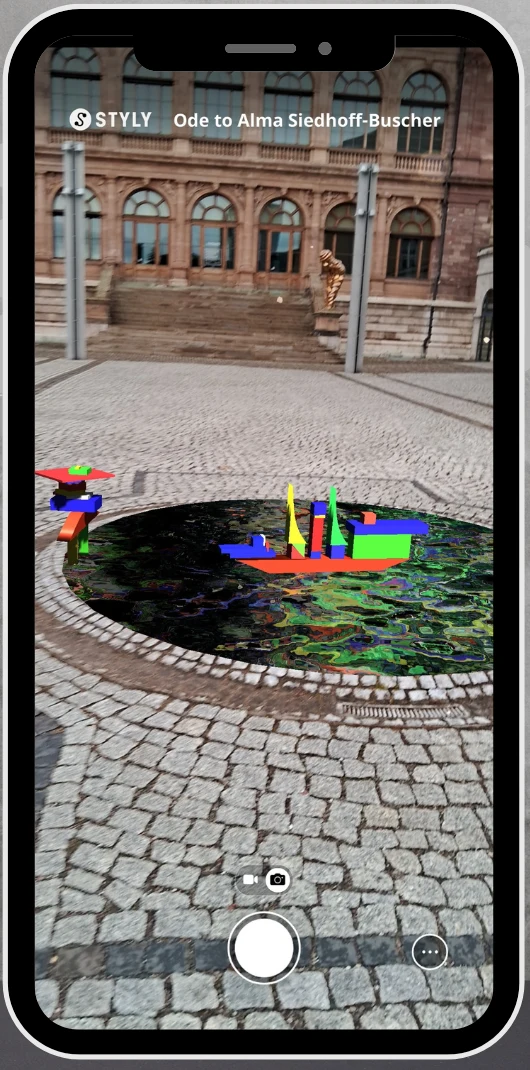
The blocks could become a ship, an animal or an abstract creature. That openness mattered to me more than the recognisable ship itself: the design stayed incomplete until a child transformed it.
Historical context: Bauhaus-Archiv and Klassik Stiftung Weimar.
Play as a serious design contribution
Her objects combined function, bold geometry and open-ended imagination. My monument continues that logic: its blocks move, recombine and refuse to settle into one final form.
Memory without another pedestal
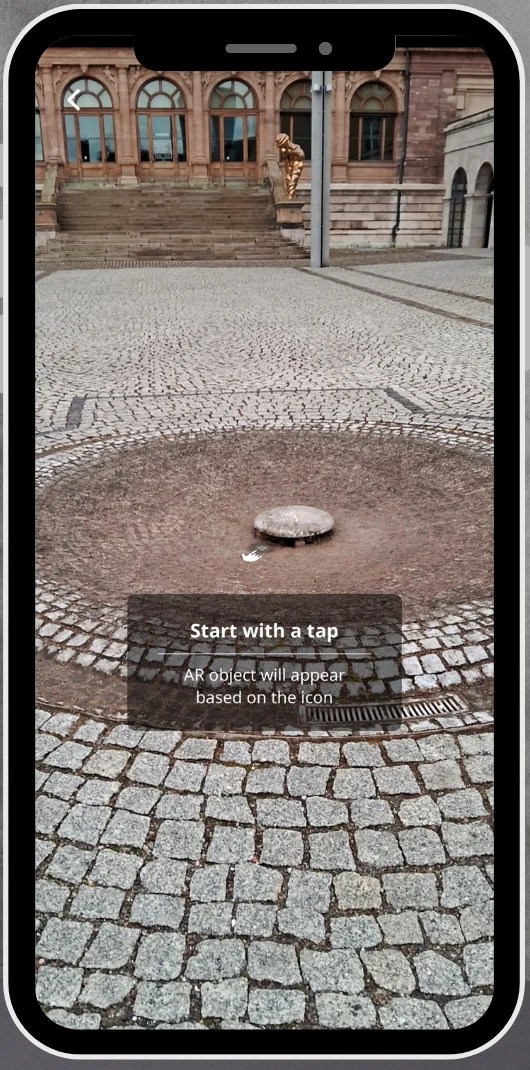
AR let the site change without filling it permanently. The monument could move, make sound and invite exploration rather than only being observed.